Brands Upgrade Portable Cassette Stoves
Brands Upgrade Portable Cassette Stoves
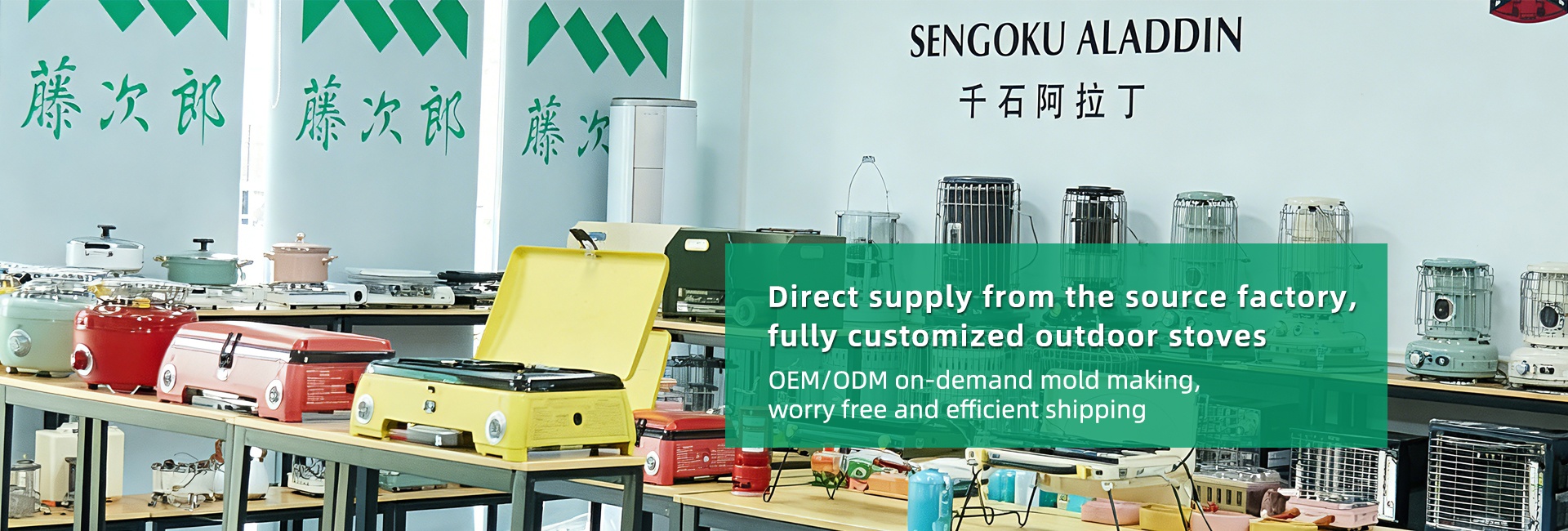
The portable cassette stove, a longtime essential for campers, tailgaters, and emergency-preparedness households, is entering a new phase of refinement. Leading outdoor-equipment brands are releasing upgraded versions that go far beyond cosmetic changes. The latest generation combines tougher materials, smarter burner engineering, and more rigorous safety features, transforming a humble utility into a genuinely modern cooking appliance. Although manufacturers have adopted different strategies, a clear industry-wide pattern is emerging: the cassette stove is being redesigned with a level of care and technical attention previously reserved for premium backpacking stoves.
The shift is driven by changing consumer expectations. The surge in outdoor recreation has brought a wave of newcomers to camping and overlanding, many of whom prioritize reliability and ease of use. At the same time, households that once stocked inexpensive stoves for emergency kits are now seeking models that can serve for years rather than a single season.
Materials and Build Quality
One of the most visible changes is in construction. Older cassette stoves were frequently made from thin painted steel that dented easily and rusted after exposure to damp conditions. Newer models use heavier-gauge stainless steel or powder-coated aluminum alloys, which resist corrosion, stand up to repeated abuse, and often weigh less. Reinforced folding legs and locking mechanisms provide greater stability on uneven ground, while precision-machined canister connectors create a tighter, more reliable gas seal.
Manufacturers have also focused on the details of long-term ownership. Hinges and latches are now built from hardened metal rather than brittle plastic. Heat shields for the fuel canister are now integrated into the body, reducing loose parts. Individually minor, together these changes produce a stove that feels far more robust than earlier generations. For consumers, the practical benefit is simple: a product that remains safe and dependable over many cooking sessions.
Key build upgrades include:
•Heavy-duty stainless steel or aluminum-alloy bodies with improved impact resistance
•Corrosion-resistant finishes that withstand humidity and salt air
•Precision-machined canister connectors for a safer seal
•Reinforced legs and locking mechanisms for greater stability
Burner Performance and Fuel Efficiency
Burner design has seen equally significant advances. Traditional cassette stoves often produced a weak, uneven flame that took a long time to boil water and fluttered in even mild wind. Upgraded burners employ optimized gas-flow passages and improved air mixing to deliver a hotter, more concentrated flame with far better wind resistance. Many models now include adjustable flame controls that allow everything from a gentle simmer for delicate sauces to a strong, steady heat for searing meat.
The efficiency gains are not limited to the flame itself. Improved heat-transfer surfaces and pot supports concentrate energy into the cookware instead of letting it escape. A standard gas cartridge therefore lasts longer, cutting the cost per trip and the number of empty canisters carried out. This fuel saving is a major selling point for multi-day trips where weight and waste matter.
Performance improvements include:
•More stable flame output across a wider range of conditions
•Faster boil times through improved heat transfer
•Better simmer control for delicate cooking
•Lower fuel consumption per meal
Safety Innovations
Safety has become the defining feature of this stove generation. Earlier concerns about gas leaks, tipping, and canister overheating are now being addressed through multiple, overlapping layers of protection. Automatic shut-off valves detect abnormal pressure and immediately interrupt the gas supply when a canister is over-heated or a leak is present. Flame failure devices, long required in home gas appliances, have been adapted for portable use so that gas ss flowing within moments if the flame is extinguished by wind, rain, or an accidental spill.
Design changes have improved safety in physical terms as well. A wider base and lower center of gravity make stoves harder to tip over, even with a heavy pot on uneven rock. Integrated heat shields keep the fuel canister cooler, reducing the risk of pressure build-up during prolonged cooking. At the same time, several markets have tightened certification standards for portable gas appliances. Brands that once treated compliance as a bureaucratic step now advertise documented test results as a competitive advantage.
Usability and Everyday Convenience
Usability has kept pace with the engineering upgrades. Piezo ignition, once an extra, is now standard, removing the need for matches and simplifying use in wind. Many designs fold into slim profiles for easy packing, and integrated windscreens replace the loose panels once bundled with the stove. Removable drip trays and grease-resistant surface treatments make post-meal cleanup considerably easier.
The accessory ecosystem is also expanding. Dedicated pot supports, griddles, and toasting plates are now designed for the new platforms, allowing users to grill, fry, or simmer without extra appliances. A once single-function device is now a versatile cooking platform for outdoor and emergency use.
Sustainability and Longevity
Sustainability is increasingly influencing product development. Several brands now incorporate recycled metals into stove bodies and have switched to recyclable, minimal packaging. Fuel-efficiency gains also reduce the carbon footprint of each meal. Longer-lasting, repairable designs also mean fewer stoves end up in landfills. The industry's direction toward durability and repairability is a meaningful improvement.
Outlook
The arrival of upgraded portable cassette stoves signals a maturation of the entire product category. For outdoor enthusiasts, the gains are tangible: better cooking performance, significantly fewer safety worries, and hardware that can withstand years of rough use. For the industry, the lesson is that even the most utilitarian gear benefits from thoughtful engineering. With camping, overlanding, and emergency preparedness in steady demand, the new stoves are well positioned to become the standard choice