Cassette Stove Exports Keep Rising
Cassette Stove Exports Keep Rising
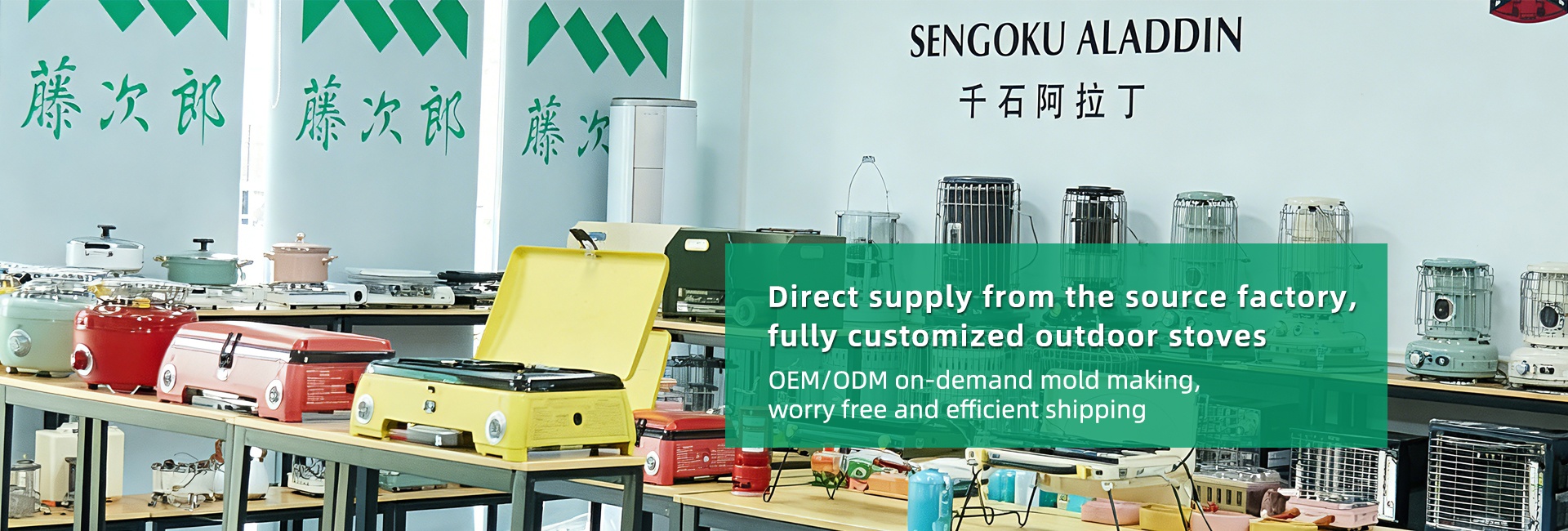
The global market for portable cooking devices continues to expand, and cassette stoves are emerging as one of the most consistent export performers. Export volumes of cassette stoves, fueled by rising demand in outdoor recreation, emergency preparedness, and commercial catering, have maintained an upward trajectory over recent periods. Industry analysts note that manufacturers in established production regions have strengthened their capacity, while logistics and trade channels have adapted to meet growing overseas orders. The ongoing export growth reflects a combination of shifting consumer lifestyles, product innovation, and more rigorous safety compliance, all of which have helped solidify the cassette stove's position in the international marketplace.
Drivers Behind Steady Growth
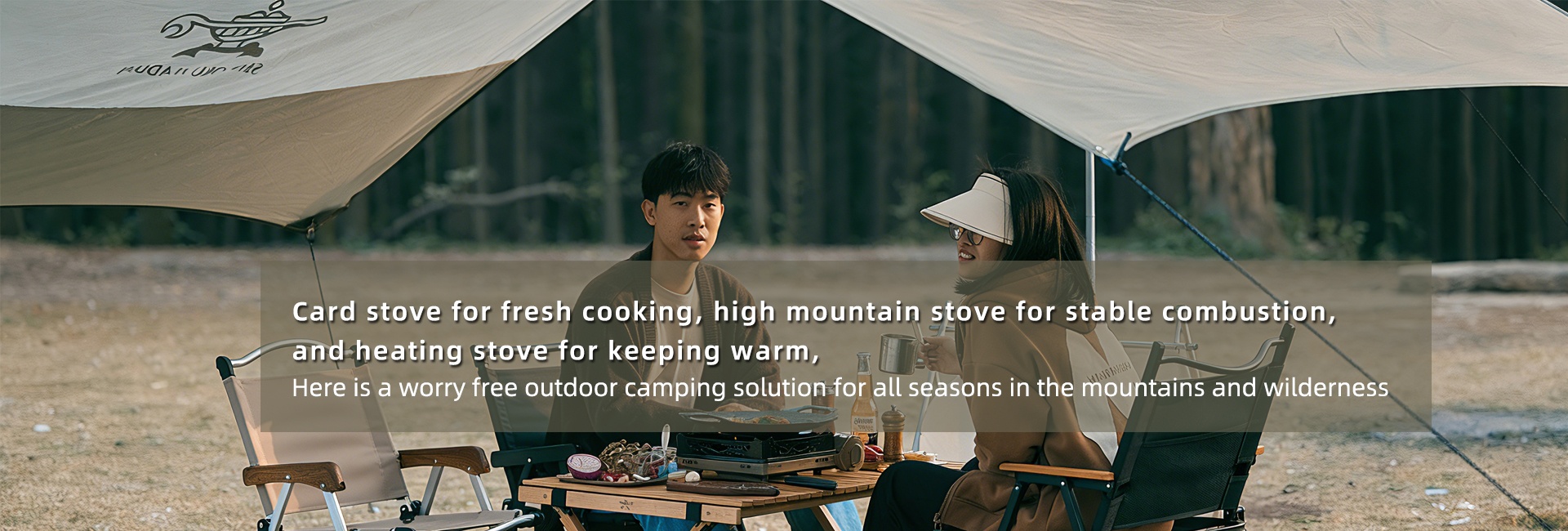
Several factors explain the sustained rise in cassette stove exports. First, outdoor activities and camping tourism have gained widespread popularity across many countries, prompting households to seek portable, reliable cooking solutions. Cassette stoves, which run on compact butane canisters, offer a convenient balance of portability, ease of use, and heat output. In addition, emergency preparedness has become a more pressing consideration for consumers in regions prone to natural disruptions, further raising overseas demand. Retailers and distributors have responded by increasing stock levels and expanding product lines.
Another contributing factor is the continuous improvement of product safety and performance standards. Exporters have invested in advanced valve systems, flame-control mechanisms, and automatic gas cut-off features, addressing long-standing concerns about fuel leakage and safe operation. These enhancements not only meet stricter international certification requirements but also build trust among end users. Meanwhile, lightweight materials and compact designs have widened the range of suitable applications, from marine and caravan use to outdoor food stalls and small-scale catering operations. As a result, the export mix has become more diversified, with different models tailored for varying climates, cooking styles, and fuel availability.
Export flows have also benefited from increasingly efficient supply chains. Major manufacturing hubs have upgraded production lines and quality-control processes, reducing lead times and ensuring consistent order fulfillment. Shipping and warehousing improvements have lowered the friction of cross-border trade, enabling manufacturers to reach new customers in Europe, North America, Southeast Asia, and other regions. While global freight costs have been volatile, many exporters have managed to preserve their competitiveness by optimizing container utilization and building closer relationships with logistics partners. These efforts have supported the continued expansion of export volumes even in the face of broader trade uncertainties.
At the same time, market participants are adapting to shifting buyer expectations. Importers are no longer satisfied with basic stoves alone; they increasingly request additional accessories such as windshields, carrying cases, and compatible cookware. Some exporters have responded by offering bundled kits that simplify purchasing decisions for end consumers. Others have developed premium models with stronger wind resistance, higher thermal efficiency, and quieter operation. This product differentiation has strengthened the export pipeline, allowing manufacturers to capture demand across both budget-conscious and high-end market segments. The result is a more resilient trade environment in which cassette stove shipments continue to climb despite intensifying competition.
Digital sales channels have amplified the export momentum. Cross-border e-commerce platforms allow overseas consumers to compare cassette stove models, review safety certifications, and make purchases directly from established brands. This shift reduces dependence on traditional wholesale networks and enables smaller manufacturers to participate in global trade. At the same time, social media content on outdoor cooking and camping lifestyles has stimulated interest in portable stoves, particularly among younger demographics. Exporters who invest in local-language product descriptions and after-sales support are better positioned to convert this interest into recurring orders.
Key Factors Supporting Export Momentum
•Growing demand from outdoor recreation, camping, and emergency preparedness markets worldwide.
•Continuous innovation in burner efficiency, safety valves, and anti-leak protection systems.
•Expansion of distribution channels, including e-commerce, hardware chains, and specialized outdoor retailers.
•Diversification of export destinations, reducing reliance on any single regional market.
•Improved supply chain management and product quality assurance among major producers.
Challenges and Outlook
Despite the positive trend, exporters still face a number of challenges. Trade regulations and product certification standards vary significantly from one market to another. Manufacturers must navigate complex documentation, testing protocols, and labeling requirements, which can add time and cost to each shipment. Competition from alternative cooking solutions, such as alcohol stoves, electric induction burners, and advanced multi-fuel outdoor stoves, also poses a potential constraint on future growth. In addition, environmental considerations around disposable gas canisters have prompted some regulators and consumer groups to push for refillable systems or alternative fuel sources. These issues require industry participants to remain agile and responsive.
Looking ahead, the outlook for cassette stove exports remains broadly favorable. Producers are expected to keep refining safety technology while exploring more sustainable packaging and fuel solutions. In particular, efforts to develop recyclable or reusable canister systems could help address environmental concerns and lift regulatory barriers. Moreover, continued investment in brand building and after-sales support will be essential for maintaining long-term customer loyalty in competitive overseas markets. If manufacturers can balance cost efficiency, safety, and environmental responsibility, the upward trend in cassette stove exports is likely to persist well into the future.