New Overpressure Protection Technology Drives Upgrading of Cassette Stove Products
Overview: A Safety-Driven Market Shift
The global market for cassette stoves is entering a new phase as manufacturers integrate advanced overpressure protection technology into their latest product lines. This safety-focused upgrade addresses a longstanding concern with portable butane gas cookers: the risk of pressure build-up in fuel canisters during use, especially when exposed to high temperatures or improper storage. With the adoption of automatic pressure-relief mechanisms, cassette stove suppliers are repositioning the product from a simple convenience item to a more robust and dependable cooking solution. Industry observers note that the transition is being driven both by evolving safety regulations and by consumers who increasingly demand fail-safe designs for home and outdoor cooking equipment.
A Breakthrough in Gas Canister Safety
The core principle behind the new overpressure protection technology is a detection and response system that operates on multiple levels. In conventional cassette stoves, the gas canister is punctured and held in place, releasing pressurized butane into a regulator. If the stove is misused, or if ambient temperatures rise unusually, the internal pressure of the canister can quickly increase beyond its designed limit. The upgraded technology adds a sensitive pressure-relief mechanism that opens a dedicated vent when pressure reaches a threshold far below the canister’s rupture point. In addition, advanced thermal sensors can trigger an automatic shut-off before heat from the burner, a nearby fire, or direct sunlight creates dangerous conditions. Together, these layers of protection significantly reduce the probability of accidents.
How the Technology Enhances Cassette Stove Performance
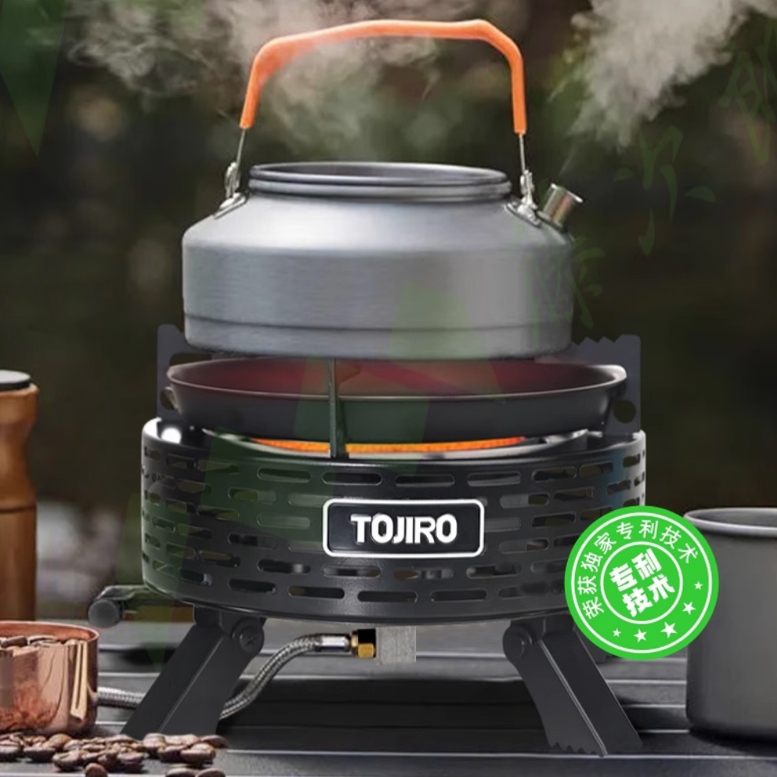
Beyond safety, overpressure protection technology improves the user experience in practical ways. Because the system is integrated with the stove’s gas flow regulator, it helps stabilize flame intensity even when the canister is nearly empty or when operating at low ambient temperatures. This allows users to maintain consistent cooking performance, a factor that has become increasingly important for outdoor enthusiasts and emergency preparedness households. The protection system also supports compact design and reduced material thickness in canister connections, since the stove no longer has to rely on heavy mechanical casings to contain a potential burst. Manufacturers point out that the new technology requires careful calibration of valve springs, sealing materials, and pressure channels, making engineering excellence a key competitive differentiator.
Industry-Wide Product Upgrading and Consumer Impact
The market shift triggered by this technology is evident in a wave of product redesigns across major cassette stove categories. Legacy stoves with simple fixed regulators are being phased out, while new models feature visible pressure indicators, ergonomic safety buttons, and tamper-resistant mechanisms that prevent accidental release of gas. Retailers and online platforms are also updating their listings to highlight overpressure protection as a core selling point, rather than a secondary specification. The main upgrades now appearing in the marketplace include:
- Automatic pressure release: An integrated valve opens before pressure reaches a dangerous threshold, protecting the canister and the surrounding area.
- Thermal cutoff: Temperature sensors detect abnormal heat buildup and s gas flow before conditions worsen.
- Stable flame control: The protection system improves gas regulation, giving users more predictable flame intensity across varying environmental conditions.
- Tamper-resistant design: New lock-and-release mechanisms reduce the chance of unintended gas leakage during transport or setup.
For consumers, the upgrade translates into greater peace of mind, especially for households that use cassette stoves as backup cooking equipment during power outages or for camping, tailgating, and other recreational activities.
Challenges in the Upgrading Process
The upgrading process has not been without challenges. Suppliers need to retool production lines, verify compatibility with various canister designs, and comply with different national and regional standards. Smaller manufacturers, in particular, face higher engineering costs and the burden of testing multiple prototypes before reaching the required level of reliability. However, industry collaboration, including the development of common testing methods and certification guides, is helping to smooth the transition. Independent testing organizations have begun to publish more detailed reports on pressure-relief performance, giving buyers a clearer basis for comparison.
Outlook: A Safer Standard for Portable Cooking
As the technology matures, overpressure protection is expected to become a baseline feature for cassette stove products, much like flame failure devices have become standard on gas heaters and boilers. The same principle could extend beyond stoves to other portable gas-powered equipment, including compact grills, lanterns, and work-site heaters. Manufacturers are also exploring ways to supplement mechanical pressure relief with digital monitoring, such as smart stove s that send alerts to a smartphone when pressure approaches a warning level. While such enhancements will take time to reach the broader market, the current drive to integrate overpressure protection has already raised the ceiling for what consumers can expect from a simple cassette stove.
In the coming season, product launches in the portable cooking segment will likely focus on clarity of safety messaging and verifiable performance data. Rather than simply mentioning the term “overpressure protection,” producers are expected to explain the exact conditions under which the mechanism activates and provide user-friendly instructions for maintenance and replacement. With growing awareness, the youngest generation of outdoor cooks and emergency planners is also choosing cassette stoves based on their safety certifications as much as their price or weight.
Looking at the bigger picture, the rise of overpressure protection technology signals that mature product categories can still experience meaningful innovation when safety science and consumer demand converge. Regulators, engineers, and users all benefit when the industry chooses to go beyond minimum requirements. The new generation of cassette stoves, therefore, is not just about cooking efficiently; it is about proving that portable gas appliances can be both highly functional and rigorously safe. As conversion rates among retailers and positive user feedback continue to grow, the upgraded technology is likely to become the new market baseline, reshaping the cassette stove industry for years to come.