
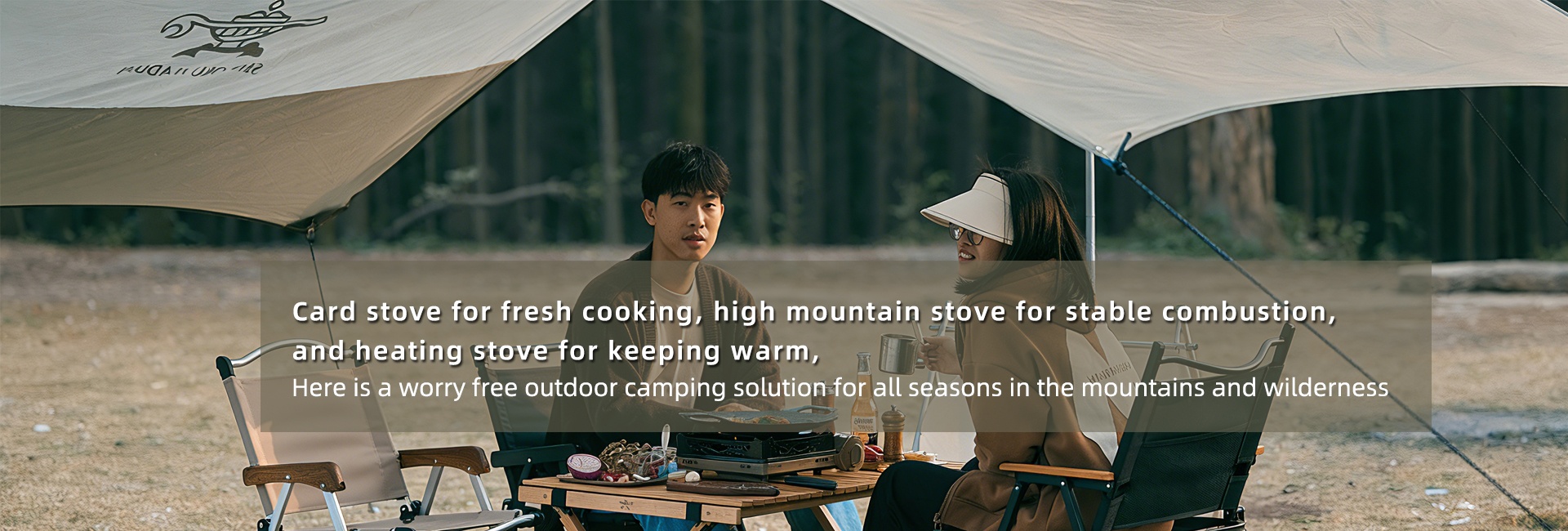
Cassette Stove Market Sees Steady Growth
Market Overview: Cassette Stove Sector Maintains Steady Expansion
The global cassette stove market is currently experiencing a phase of steady growth, driven by a combination of evolving consumer preferences, advancements in portable heating technology, and a growing emphasis on outdoor recreational activities. Industry observers note that the market is benefiting from a sustained shift toward compact, efficient, and user-friendly heating solutions, particularly among households seeking supplementary warmth and outdoor enthusiasts requiring reliable equipment. While the growth trajectory remains moderate rather than explosive, the sector is demonstrating resilience across multiple regional markets, supported by consistent demand from both developed and emerging economies.
One of the primary factors underpinning this expansion is the increasing adoption of cassette stoves in camping, hiking, and emergency preparedness contexts. Unlike traditional heating appliances, cassette stoves offer a lightweight, self-contained design that eliminates the need for complex installation or external fuel lines. This portability has made them a preferred choice for temporary housing, off-grid living, and mobile applications. Furthermore, manufacturers are focusing on improving fuel efficiency and combustion performance, which has broadened the appeal of these products to cost-conscious consumers. The market has also witnessed a notable uptick in product innovation, with newer models featuring enhanced safety mechanisms, adjustable heat output, and more durable materials, thereby extending their lifecycle and operational reliability.
Another significant driver is the growing awareness of energy diversification and the need for backup heating solutions in regions prone to power outages or extreme weather conditions. Cassette stoves are increasingly positioned not only as recreational gear but also as practical home appliances that can function independently of central heating systems. This dual-role positioning has helped sustain demand across varied demographic groups, ranging from younger outdoor enthusiasts to older homeowners seeking emergency readiness. In addition, the aftermarket for replacement cartridges and accessories is expanding, contributing to a more mature ecosystem around the core product and stabilizing recurring revenue streams for retailers and distributors.
Key Market Trends and Product Developments
Recent trends in the cassette stove market indicate a clear movement toward cleaner-burning and more environmentally friendly designs. Regulatory pressures related to emissions and indoor air quality are prompting manufacturers to adopt advanced catalytic converters and improved ventilation features. These developments not only align with stricter standards but also respond to consumer expectations for sustainable products. Additionally, the integration of smart technologies, such as temperature sensors and automatic shut-off valves, is gradually becoming more common in premium segments, although the mainstream market continues to favor simplicity and ease of use.
•Portability and compactness remain the most valued attributes, especially for backpacking and caravanning applications.
•Fuel cartridge standardization is emerging as a key competitive factor, with several brands promoting universal compatibility to enhance user convenience.
•Safety certifications are gaining traction, as consumers increasingly check for compliance with international safety standards before purchase.
•E-commerce channels are playing a larger role in distribution, enabling brands to reach niche audiences and offer detailed product information.
Regional Dynamics and Future Outlook
Geographically, the cassette stove market shows varied growth patterns. In North America and Europe, demand is largely sustained by established outdoor recreation cultures and a high penetration of caravan and motorhome ownership. Meanwhile, parts of Asia-Pacific and Latin America are emerging as new growth areas, fueled by rising disposable incomes and a growing middle class interested in camping as a leisure activity. Supply chain developments, including local sourcing of components and decentralized assembly, are helping manufacturers manage costs and respond more swiftly to regional preferences. However, the market also faces challenges such as fluctuating raw material prices and intense price competition, which are prompting players to differentiate through design and after-sales service.
Looking ahead, industry analysts anticipate that the cassette stove market will continue its steady upward course over the next several years. The convergence of safety-minded regulation, outdoor lifestyle trends, and technological refinement is expected to create a favorable environment for both established brands and new entrants. While the pace of growth may vary across regions, the overall direction remains positive, with opportunities for market participants who prioritize quality, efficiency, and customer education. As the market matures, the focus is likely to shift toward lifecycle sustainability and integrated product ecosystems, ensuring that cassette stoves remain a relevant and trusted heating solution for years to come.